

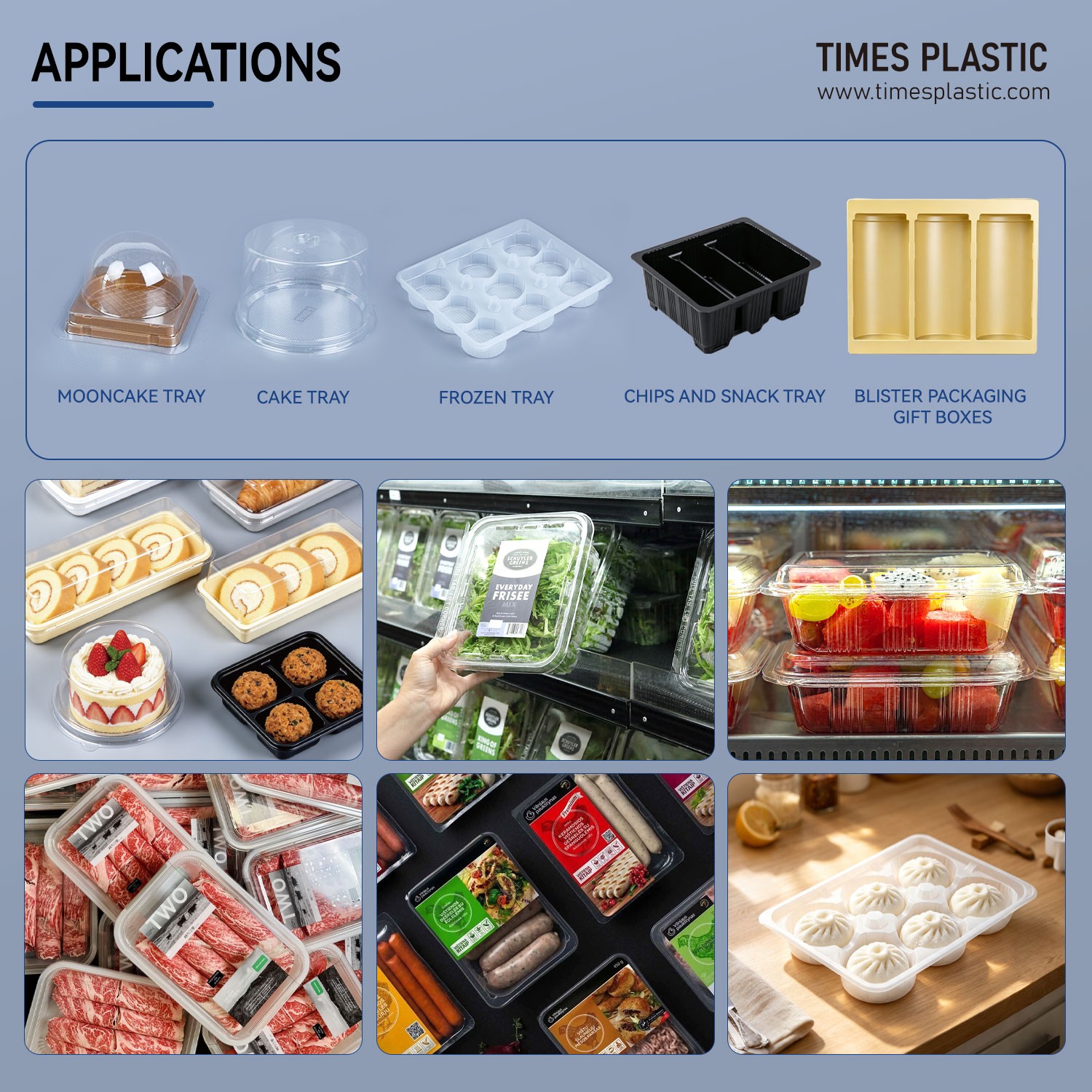
How to Choose a Four-Compartment Food Tray for Bakery and Dessert Packaging
A four-compartment food tray can help bakeries, confectionery brands, dessert producers and retailers present several products in one organized package. It is useful when the buyer needs separation, clear product visibility and a consistent format for retail or takeaway packaging.
However, choosing the right tray involves more than counting the compartments. The tray must match the product size, portion layout, display method, packing process and distribution conditions. Buyers should confirm the exact model specification, material and intended use before placing a wholesale order.
This guide explains the main points to review when sourcing a four-compartment food tray for bakery packaging, pastry packaging, candy packaging and dessert presentation.
 TMHB-72.631
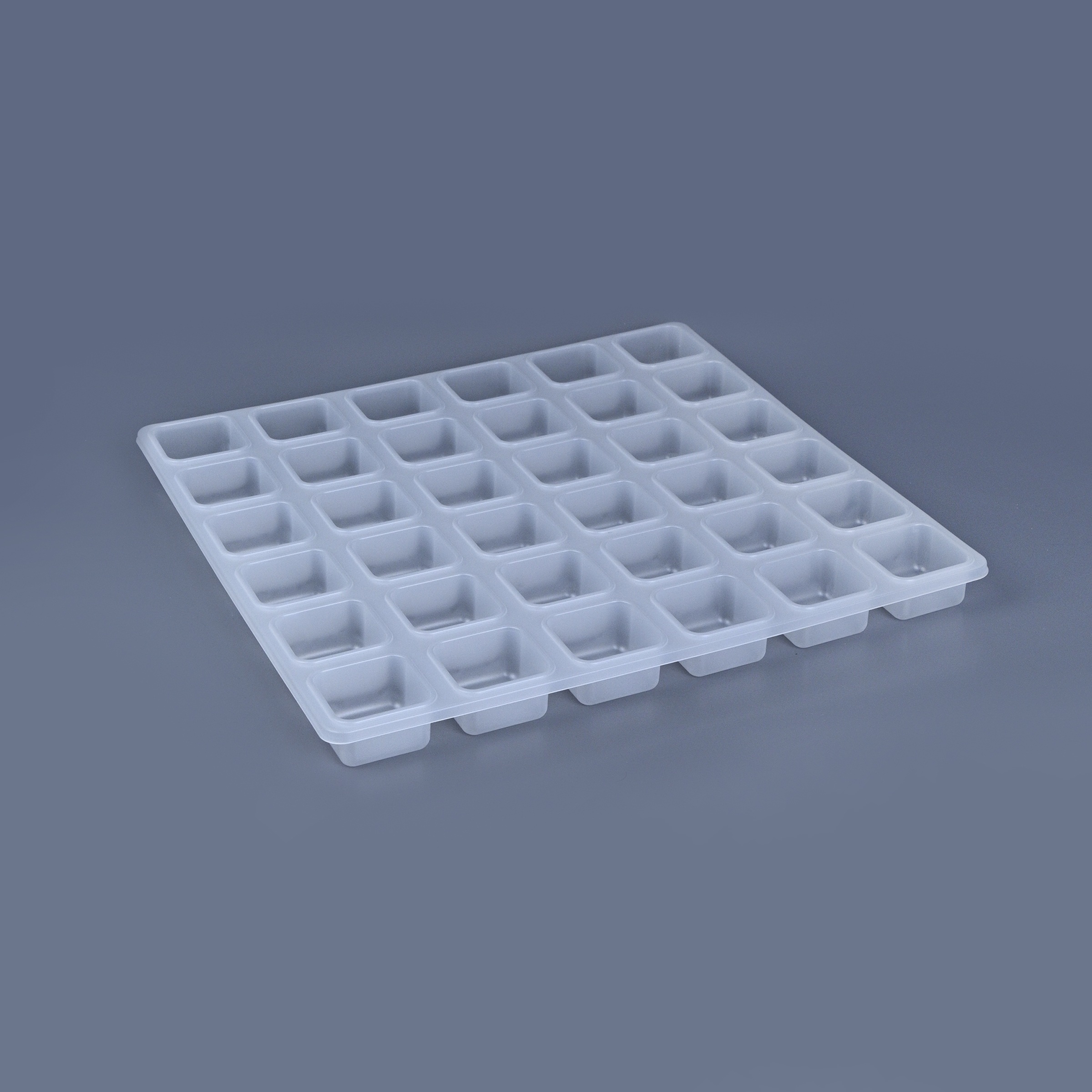 TMHB-9928
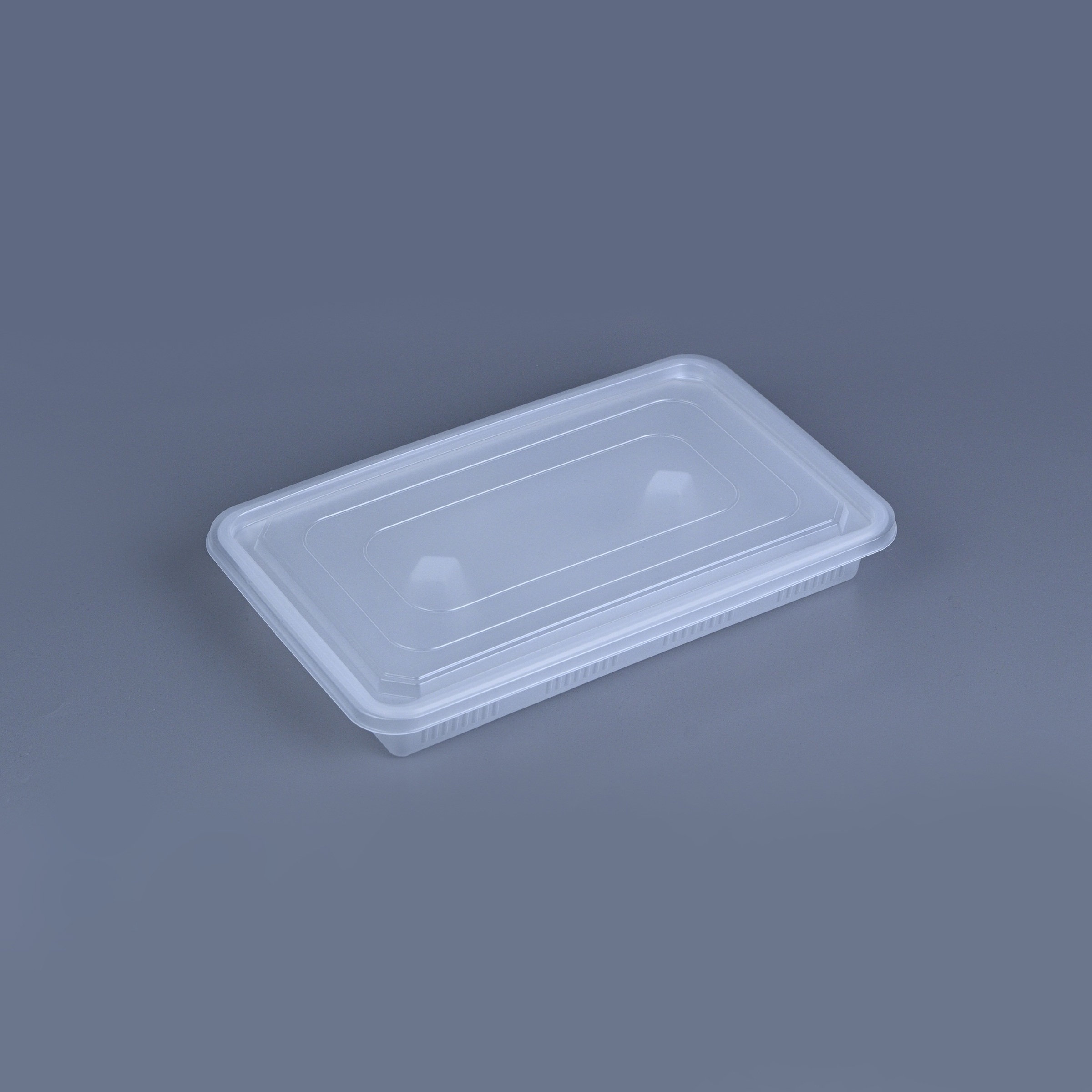 TMLD-20.231
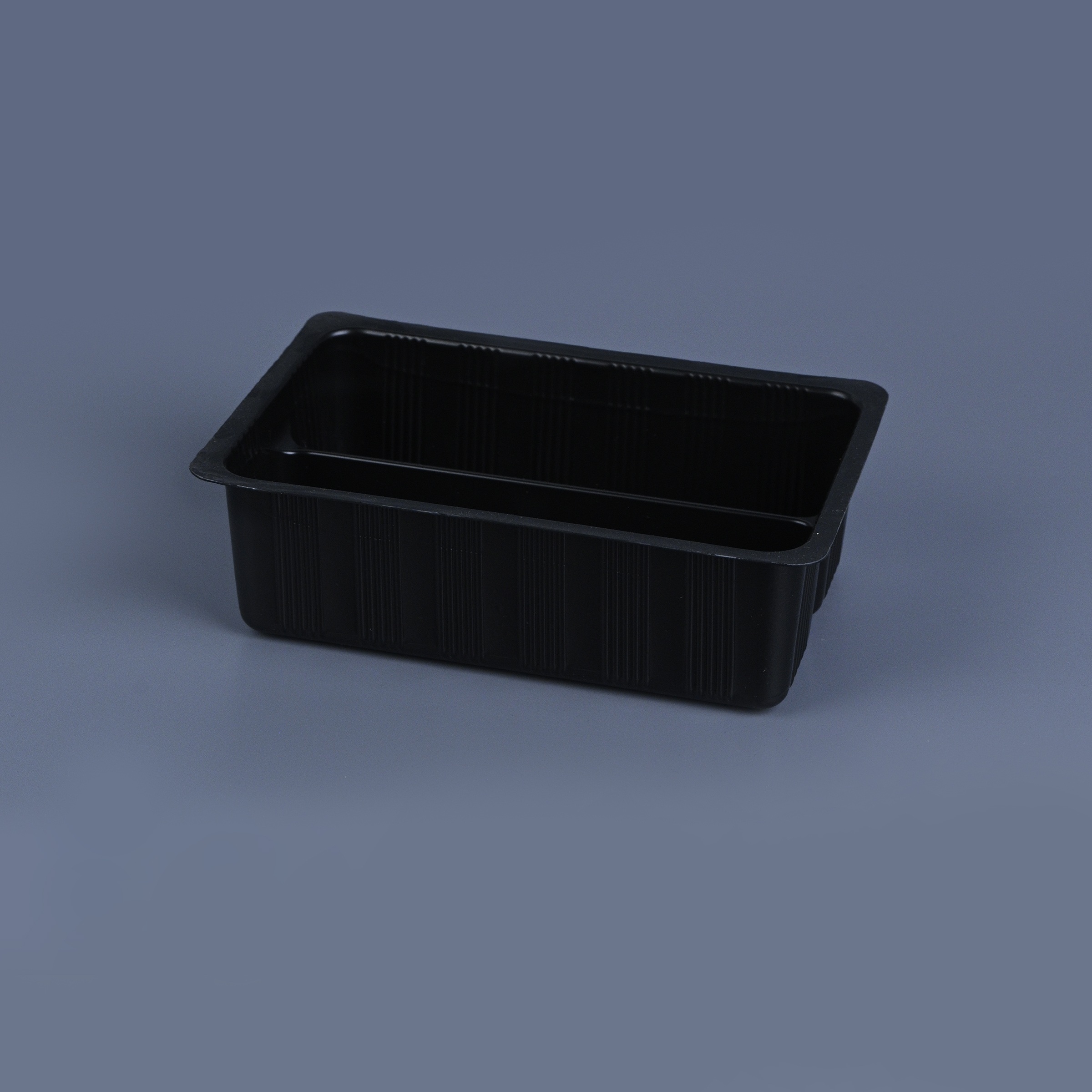 TMHB-24
*Product models shown: TMHB-72.631, TMHB-9928, TMLD-20.231 and TMHB-24. Final material, dimensions and application must be confirmed against each model specification.*
What Is a Four-Compartment Food Tray?
A four-compartment food tray is a thermoformed packaging insert with four separated cavities. Each cavity can hold an individual item or a defined portion, helping reduce contact between products during handling and display.
Typical applications may include:
- Assorted bakery products
- Small pastries and confectionery
- Chocolate and candy selections
- Dessert portions
- Retail food assortments
- Gift-box inserts
- Café and takeaway dessert packaging
The suitable application depends on the cavity dimensions, depth, rim design, product weight and the way the tray is packed or covered. A tray designed for small confectionery products should not automatically be used for heavier or taller bakery items without a sample check.
Why Use a Divided Tray for Bakery Packaging?
A divided tray can provide a more organized presentation than a single open cavity. The internal walls create a defined layout, which can help brands display several varieties in one package while keeping each portion in its own position.
For bakery and dessert packaging, buyers commonly review four advantages:
Organized Product Presentation
Four sections allow different products, flavors or decorations to be arranged in a consistent pattern. This can support retail display and gift packaging where appearance is part of the buying decision.
Separation Between Portions
Internal dividers can reduce direct contact between adjacent items. The actual level of protection depends on the cavity shape, product dimensions and handling conditions, so buyers should evaluate the filled tray rather than relying only on an empty sample.
Efficient Assortment Packaging
A four-section insert can combine several small products in one package. This may help a bakery or confectionery brand create mixed-product sets for retail, cafés, events or seasonal sales.
Consistent Packing Format
A repeatable tray layout can make product placement and inspection easier during packing. The final benefit depends on the compatibility between the tray, the outer box or cover and the customer’s packing line.
Key Buying Factors for a Four-Section Food Tray
1. Cavity Dimensions and Product Fit
Measure the product length, width, height and maximum decoration area. Leave enough clearance for placement and removal, but avoid excessive space that allows the product to move during handling.
For a model such as TMHB-72.631, the available catalogue information lists an overall size of approximately 215 × 215 × 31 mm and a product weight of approximately 72.6 g. These figures should be confirmed against the latest technical drawing and approved sample before production.
2. Cavity Depth and Product Height
Cavity depth should match the product profile. Low-profile pastries, chocolate pieces and candy assortments may require a different depth from decorated cakes or taller desserts. Check whether the product, label or decoration could touch the cover or outer box.
3. Overall Appearance
A clear or transparent tray may be considered when the buyer wants the product arrangement to remain visible. Appearance should be assessed under the expected retail lighting and together with the cover, label and outer packaging.
The material of the exact tray must be confirmed from the model documentation. Visual transparency alone should not be used as a substitute for a material declaration.
4. Compatibility with the Outer Package
Confirm the tray’s outer dimensions, rim, corner radius and height together with the box, lid, sleeve or carton. The complete package should be checked for fit, closing force, movement, label position and packing efficiency.
5. Handling and Distribution
Review the expected route from filling to delivery. Important factors may include manual packing, automated placement, stacking, carton loading, courier delivery and retail handling. The correct test method depends on the customer’s product and distribution conditions.
6. Customization Requirements
A custom food tray manufacturer may be able to review cavity shape, layout, dimensions and tooling for a specific product. Buyers should provide product samples or drawings, target quantities, packaging structure, artwork requirements and the intended application before requesting a quotation.
Bakery, Pastry and Confectionery Applications
A four-compartment food tray can be adapted to different product groups, but the application should be stated clearly during sourcing.
Bakery Packaging
For bakery packaging, confirm the size of each item, decoration height, surface contact points and whether a cover is required. The tray should support a neat display without compressing icing, fruit or other decorative elements.
Pastry Packaging
Pastry products can vary in shape and fragility. Check the cavity corners, divider height and removal clearance. If the pastry is filled or decorated, test the complete package after packing and transport simulation.
Candy and Chocolate Packaging
Candy packaging and chocolate packaging often focus on presentation and assortment. Cavity dimensions should match the product count and arrangement. Buyers should also review the intended storage and distribution conditions for the specific product.
Supermarket and Retail Packaging
Supermarket bakery packaging requires a consistent appearance across repeated replenishment orders. Confirm the tray dimensions, outer package, label area, carton quantity, inspection method and production schedule before approving the first bulk order.
Café and Takeaway Dessert Packaging
For takeaway dessert packaging, the filled package should be checked for movement, closing performance and handling convenience. Do not assume that a tray is leak-proof or suitable for a particular temperature condition unless the exact design has been tested and documented.
PET, PP or Another Material: What Should Buyers Confirm?
Material selection should follow the exact product specification and intended use. PET and PP may be used in different food packaging structures, but the material cannot be confirmed from application words such as bakery packaging or dessert packaging.
Before ordering, request:
- The exact material for the selected model
- Material information for each component
- Applicable food-contact or quality documents
- Technical drawing and dimensional tolerance
- Sample approval records
- Any temperature or handling test relevant to the application
Avoid adding claims such as FDA approved, microwave safe, freezer safe, leak-proof, anti-fog or 100% recyclable unless the claim is supported by model-specific evidence and applicable documentation.
What to Ask a Custom Food Tray Manufacturer
A clear request for quotation should include:
- Product name and photos
- Product length, width, height and weight
- Required number of compartments
- Target tray dimensions
- Preferred material, if already confirmed
- Cover, box or sleeve requirements
- Product application and distribution route
- Decoration or label requirements
- Estimated order quantity
- Destination market and shipping address
- Required documents and sample procedure
This information allows the supplier to evaluate the tray structure, tooling, sample plan, packaging method and production schedule more accurately.
Wholesale Supply and Quality Review
For a B2B food packaging project, the tray itself is only one part of the purchase decision. Buyers should also review production consistency, inspection records, packing method, batch traceability, non-conformance handling and communication during sampling.
A supplier’s quality system and factory information should be considered together with the exact product documents. Company-level certification does not automatically turn every product into a certified or tested product. The final material, dimensions, application and performance statements should remain model-specific.
For standard wholesale projects, confirm the current MOQ, lead time, carton quantity, tooling cost and decoration schedule in the quotation. These details may vary according to the model, order quantity and project requirements.
Frequently Asked Questions
What products can be packed in a four-compartment food tray?
Possible applications include small bakery products, pastries, candy, chocolate, confectionery and assorted desserts. The final suitability depends on product dimensions, weight, height and handling conditions.
Is a clear four-compartment tray made from PET?
Not necessarily. A transparent appearance does not replace the exact model’s material documentation. Confirm the material from the technical specification and approved sample.
Can the tray be used with a cake box or gift box?
It may be used as an insert when the tray dimensions, rim and height match the outer package. Confirm the complete package fit before mass production.
Can I request a custom four-section tray?
Custom development can be discussed by providing product dimensions, layout requirements, target quantity, packaging structure and intended application. Feasibility depends on the specific project.
What should I check before a bulk order?
Check the technical drawing, material information, approved sample, cavity fit, outer-package compatibility, carton packing, MOQ, lead time and applicable quality documents.
Conclusion
The best four-compartment food tray is the one that matches the finished product and the complete packaging process. For bakery, pastry, candy, chocolate and dessert applications, buyers should evaluate the cavity layout, product fit, appearance, outer-package compatibility, handling route and supplier documentation together.
If you are sourcing a divided food tray such as TMHB-72.631, send the product dimensions, target packaging structure, order quantity and destination market. The supplier can then confirm the exact model information, sample requirements, customization options and commercial terms.
Product note: Final material, dimensions, temperature suitability and food-contact claims must be confirmed against the exact model specification, approved sample and applicable documents. Product images are examples of thermoformed packaging and do not replace a technical drawing or sample approval.